
Salt is a fundamental ingredient in cooking, essential for enhancing flavors and balancing dishes. While common table salt is a kitchen staple, exploring other types of salt can elevate your culinary creations. Here are three different types of salt to try and how they can improve your cooking.
Kosher Salt
Kosher salt has a coarse texture and larger crystals, making it easy to pinch and control. It’s less refined than table salt and usually contains no additives.
Uses:
- Seasoning Meat: The larger grains adhere well to meat surfaces, making it perfect for seasoning steaks, roasts, and poultry.
- Cooking: Its pure, clean flavor dissolves quickly, making it ideal for general cooking and baking.
- Pickling and Brining: Kosher salt’s purity and lack of iodine or anti-caking agents make it perfect for pickling and brining, ensuring clear brines and excellent flavor absorption.
Sea Salt
Sea salt is produced by evaporating seawater, resulting in a variety of textures and flavors depending on its origin. It contains trace minerals that add depth to its taste.
Uses:
- Finishing Dishes: Use flaky sea salt as a finishing touch on dishes like salads, roasted vegetables, and desserts to add a satisfying crunch and burst of flavor.
- Baking: A sprinkle on top of baked goods, like cookies or brownies, enhances sweetness and adds a gourmet touch.
- Sauces and Soups: Its subtle complexity enhances the flavors of sauces and soups without overpowering them.
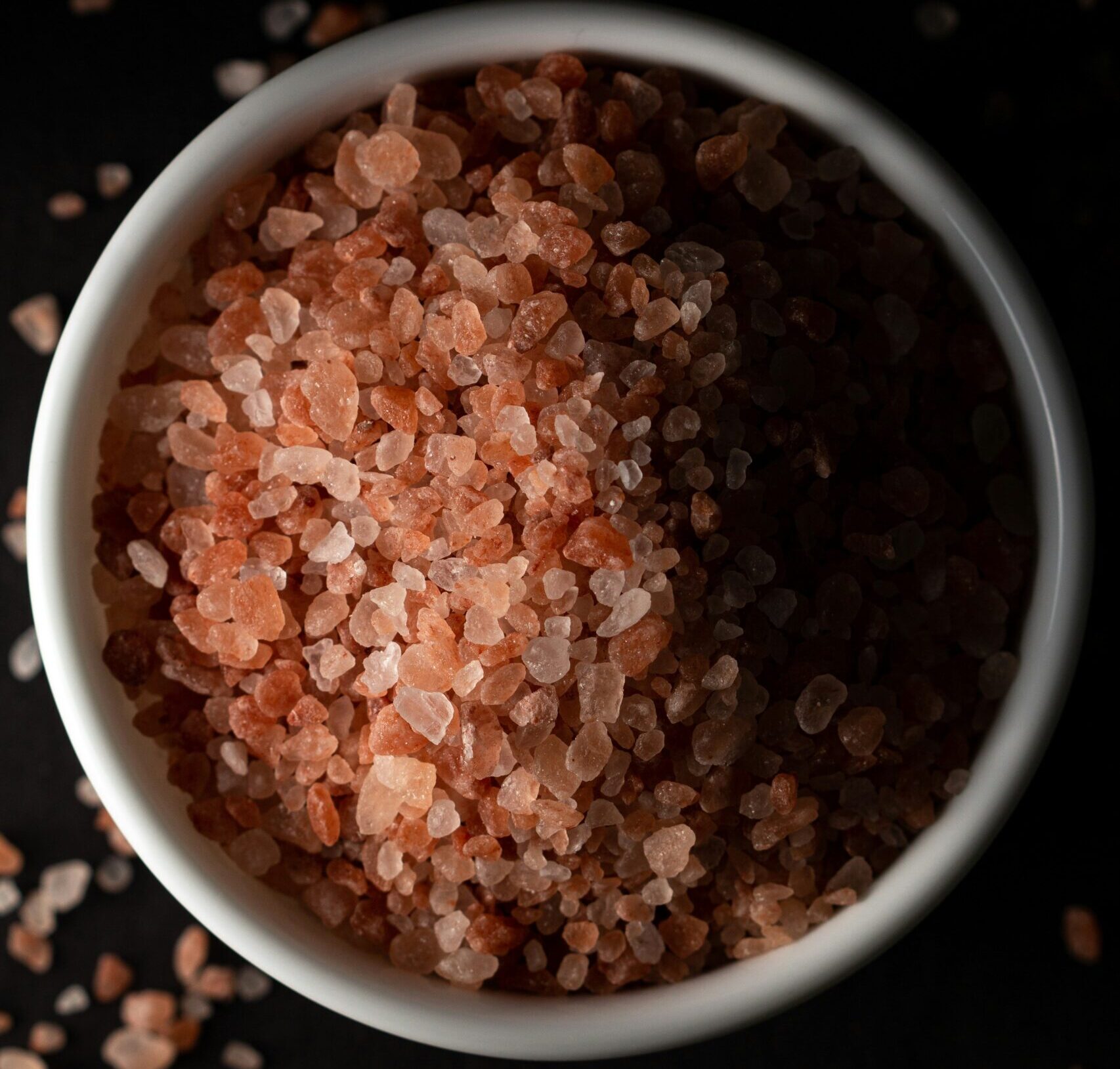
Himalayan Pink Salt
Mined from ancient sea beds in the Himalayas, this salt has a distinctive pink hue due to its mineral content, including iron, magnesium, and calcium.
Uses:
- Seasoning: Its unique flavor profile makes it suitable for seasoning grilled meats, seafood, and vegetables.
- Salt Blocks: Himalayan pink salt blocks can be heated and used to cook or serve food, imparting a delicate saltiness.
- Decorative: Its attractive color and coarse texture make it an appealing garnish for both savory and sweet dishes.


